

There is a myth that runs deep in the fitness industry. It goes something like this: if you have enough followers, the clients will come. Post enough transformation photos, enough workout reels, enough motivational captions, and eventually the bookings fill up on their own. Some trainers have built careers this way and those success stories get shared constantly, which makes the myth feel more reliable than it actually is.
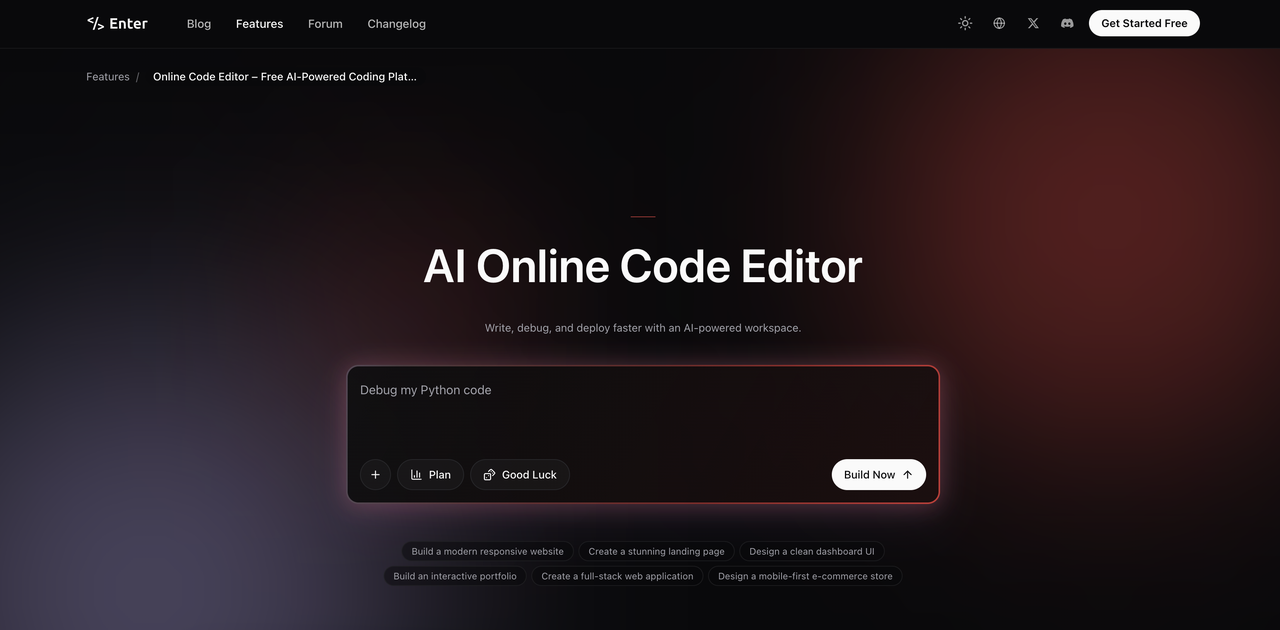
The reality for most fitness professionals is messier. Follower counts fluctuate, reach drops without warning, and the connection between social media presence and actual paying clients is far less direct than it looks from the outside. The trainers and gym owners building genuinely stable businesses are almost always the ones who stopped treating Instagram as their home base and started building something they actually own. Enter Pro is one of the platforms fitness professionals are using to make that shift without overcomplicating it. Having a free code editor available within the platform is particularly useful when you want to customize a training packages page or tweak a booking layout to match exactly how your business operates.
What a Fitness Website Needs to Do That Social Media Simply Cannot
Social media is a discovery tool. Someone finds your content, they like what they see, they want to know more. Where do they go to find that more? If the answer is just more of your Instagram feed, you are leaving the most important part of the conversation to a platform that was not designed for it.
A website handles the things social media does badly. It gives a clear and permanent explanation of your services and pricing. It holds your client testimonials in one organized place. It lets someone book a session or inquire about a program without sliding into your DMs and waiting to see if you respond. It works for you at 2am when a night shift worker is finally getting around to looking for a trainer.
The fitness professionals who convert followers into clients most consistently are the ones who use social media to bring people in and their website to close the deal.
Deciding What Kind of Fitness Business You Are Building Online
This question matters more than most trainers think about early on and your website forces you to answer it clearly.
Are you a personal trainer taking on one-on-one clients in a specific location? An online coach building programs for people you will never meet in person? A gym owner trying to drive memberships and class bookings? A specialist working with a particular population, athletes, older adults, postnatal women, people managing chronic conditions? Each of these has a different website, a different message, and a different ideal visitor.
Trying to speak to all of them at once produces a site that resonates with none of them. Getting specific about who you serve and what you offer them is the most important decision you make before building anything and your website is where that decision becomes visible.
Choosing a Platform That Handles Bookings and Programs Well
Fitness websites have functional requirements that go beyond what a standard business site needs. Online booking, class schedules, program sales, membership management, and potentially video content all need to work together without the site becoming a patchwork of incompatible tools.
Before committing to any builder, reading through a proper comparison of the best website maker options with fitness-specific needs in mind is worth the hour it takes. Some platforms handle service bookings natively while others require third party integrations that add cost and complexity. Some deal with video hosting gracefully while others make it clunky. Knowing what you need before you build saves you from the frustration of outgrowing a platform just as your client base starts growing.
Turning Testimonials and Transformations into Trust
The fitness industry runs on results and your website should show them clearly. Not in an aggressive before and after format that feels more like an infomercial than a professional portfolio, but in a way that feels genuine and specific.
Written testimonials from real clients describing their experience in their own words carry enormous weight. Not “John helped me lose 10kg” but the fuller story of what the process was like, what changed beyond the physical results, and what it actually felt like to be coached by you. Those detailed accounts help a potential client imagine themselves in that person’s position and that imagination is what converts interest into inquiry.
If clients are willing to share photos or video testimonials, even better. Authenticity is the currency of the fitness industry online and nothing communicates it more effectively than real people talking about real experiences.
Building an Online Training Offering Without Losing the Personal Touch
Online coaching has expanded the potential client base for fitness professionals enormously. You are no longer limited to people within driving distance of your location. But online training done poorly feels impersonal and transactional in a way that drives clients away after the first program cycle.
Your website plays a role in setting the tone for that relationship before it even starts. The way you write about your approach, the values you communicate, the sense of who you are as a coach, all of it shapes what a potential online client expects from working with you. A website that feels warm, specific, and genuinely invested in the person reading it attracts clients who are looking for exactly that kind of coaching relationship.
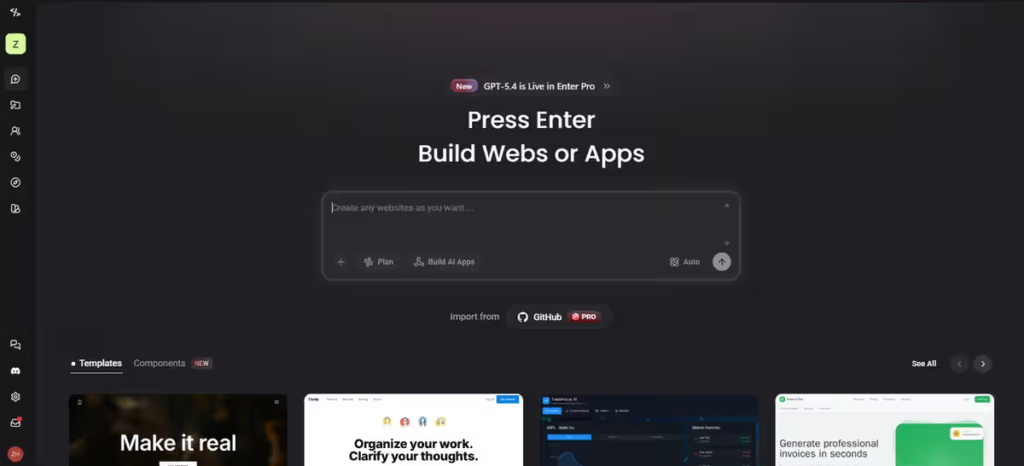
Enter Pro gives you enough design flexibility to create that kind of tonal consistency across your site without needing a designer to translate your personality into a visual format.
The Local SEO Angle Gym Owners Are Missing
For gym owners and trainers working with local clients, the website opportunity is very concrete. When someone in your area searches for a personal trainer, a yoga studio, a boxing gym, or a pilates class, the results that come up are determined by a combination of Google Business Profile strength and website content relevance.
Most local fitness businesses have the Google Business Profile side reasonably handled. What they miss is the website content side. Pages that specifically mention your location, your neighborhood, the type of training you offer, and the community you serve give search engines the context they need to show your business to the right people at the right moment.
A simple location-specific page, a locally relevant blog post or two, and consistent contact information across your site and your Google profile can meaningfully improve your visibility to people actively searching for what you offer within a few kilometers of where you operate.
Conclusion
Fitness is a personal business. People are trusting you with their bodies, their health, and goals that genuinely matter to them. The trainers and gym owners who build lasting client relationships are the ones who communicate that personal investment clearly, consistently, and in a way that reaches people before the first conversation ever happens. Your website is where that communication lives permanently, working for you every hour of every day regardless of what the algorithm decided to do with your last post. Building it well is not a distraction from the real work of being a great fitness professional. For the clients who find you online first, it is the real work.
