

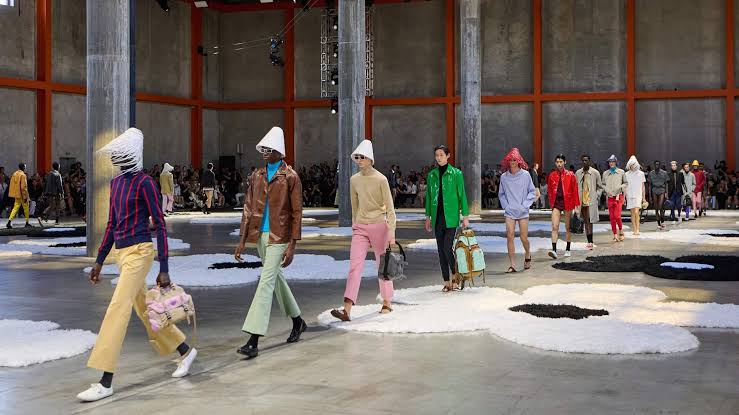
Celebrity fashion has always influenced the way people dress, but in 2026, that influence is moving faster than ever. A handbag carried at an airport, a pair of sunglasses worn outside a fashion show, or a jacket photographed on a celebrity can become a global style reference within hours.
Social media has accelerated this cycle dramatically. Instead of waiting for seasonal magazines or runway reports, shoppers can now discover new styles through Instagram, TikTok, YouTube, entertainment news, and celebrity street-style photography almost instantly.
But this shift has created another important change: consumers are becoming more interested in understanding what actually makes a fashion product worth buying.
Rather than focusing exclusively on a recognizable name, many shoppers now compare materials, construction, proportions, hardware, finishing, and overall value before making a purchase.
This is creating a more informed and increasingly global fashion market.
Celebrity Style Has Become a Global Shopping Guide
For decades, celebrities have helped define fashion trends. What has changed is the speed and accessibility of that influence.
A red-carpet appearance once reached consumers primarily through television and magazines. Today, the same appearance can generate thousands of social posts, shopping searches, styling videos, and product comparisons within a single day.
Consumers may search for the exact item worn by a celebrity, but many also look for pieces that capture a similar aesthetic.
This has expanded interest in everything from designer handbags and watches to shoes, jewelry, jackets, sunglasses, and accessories.
Celebrity style is no longer simply entertainment. It has become part of the modern product-discovery process.
Why Shoppers Are Looking Beyond Brand Names
Luxury fashion has traditionally relied heavily on brand recognition.
A famous logo, recognizable silhouette, or iconic design can immediately communicate status and style. Yet today’s shoppers have access to considerably more information than previous generations.
Detailed photographs, product videos, customer reviews, material descriptions, manufacturing information, and comparison guides make it possible to examine products much more carefully.
As a result, consumers increasingly ask practical questions.
What material is being used?
How clean is the stitching?
Does the hardware feel substantial?
Are the proportions accurate?
How well is the interior finished?
Does the product look balanced from different angles?
These questions reflect a broader shift from logo-focused shopping toward quality-focused shopping.
The Details That Define Perceived Quality
Two products may look almost identical in a small photograph while feeling completely different in person.
The difference often comes down to details.
Materials
Leather, textiles, metals, linings, and finishing materials have an enormous effect on the appearance and longevity of a fashion item.
For leather goods, shoppers often evaluate texture, flexibility, grain consistency, edge finishing, and how the material develops over time.
For clothing, fabric weight, composition, drape, and stitching can be equally important.
Construction
Construction quality is often easier to recognize when a product is examined closely.
Consistent stitching, reinforced stress points, properly aligned panels, smooth zippers, secure hardware, and clean interior finishing generally indicate greater attention during manufacturing.
Hardware
Hardware can dramatically change how premium a bag or accessory feels.
Consumers increasingly examine the weight, finish, engraving, movement, and consistency of metal components rather than judging them only from photographs.
Proportions
Luxury design often depends on subtle proportions.
The placement of a pocket, width of a strap, curve of a bag, shape of a shoe, or spacing between design elements can determine whether an item looks refined or slightly unbalanced.
These differences may appear minor individually, but together they strongly influence the overall impression of quality.
Why Detailed Product Photography Matters
One of the biggest changes in online fashion shopping is the growing importance of detailed photography.
A single promotional image is no longer enough for many buyers.
Shoppers increasingly want to see:
- front and back views,
- side profiles,
- interior construction,
- stitching,
- hardware,
- closures,
- labels,
- material texture,
- dimensions,
- and close-up finishing.
For expensive or unfamiliar products, these images help reduce uncertainty.
They also allow shoppers to compare several options before making a decision.
This is particularly important in cross-border shopping, where returning a product may be more complicated than returning something purchased locally.
The Rise of Smarter Global Sourcing
Another major development is the globalization of fashion sourcing.
Consumers are increasingly aware that fashion products pass through complicated international supply chains. Design, materials, manufacturing, distribution, marketing, and retail may all take place in different countries.
Digital platforms have made parts of this supply chain more visible.
Shoppers can now discover manufacturers, sourcing services, purchasing agents, independent sellers, and specialized marketplaces that would once have been accessible mainly to professional buyers.
This does not mean every source offers the same quality.
In fact, the greater number of choices makes verification even more important.
Consumers need to evaluate photographs, specifications, seller communication, inspection procedures, shipping policies, and after-sales support before purchasing.
Why Product Inspection Is Becoming More Important
When buying fashion online, particularly across borders, inspection can be one of the most valuable parts of the process.
Small manufacturing differences that are difficult to notice in catalog photographs may become obvious in detailed inspection images.
Common areas buyers examine include:
- stitching alignment,
- surface marks,
- zipper operation,
- logo placement,
- hardware condition,
- symmetry,
- interior finishing,
- accessories,
- and packaging.
This is one reason purchasing and sourcing services have become increasingly relevant to international shoppers.
Platforms and services that help consumers compare sourcing options, including Replica, can serve as another point of reference for shoppers researching different products, categories, and purchasing channels before making a decision.
The important principle is not simply finding more products. It is obtaining enough information to make a better-informed choice.
Celebrity Trends Are Creating Faster Product Cycles
Celebrity influence has also shortened the life cycle of fashion trends.
A particular bag shape, oversized jacket, vintage-inspired sneaker, or minimalist watch can suddenly attract global attention after appearing on a celebrity.
Manufacturers and retailers respond quickly to that demand.
This creates opportunities for consumers but also increases the need for careful comparison.
When a trend becomes popular, the market may quickly fill with products at very different quality levels.
Two listings using similar photographs or descriptions may represent substantially different materials and construction.
That makes research particularly important when buying trend-driven products.
The Difference Between Price and Value
Price and value are not always the same thing.
A high price does not automatically guarantee exceptional quality, just as a lower price does not necessarily indicate poor construction.
Brand history, advertising, retail locations, celebrity partnerships, packaging, distribution, and exclusivity can all contribute to the final retail price of a fashion product.
Consumers increasingly understand this.
Instead of asking only, “How much does it cost?” they are also asking, “What am I actually receiving for that price?”
That question encourages comparison based on tangible characteristics such as materials, craftsmanship, functionality, and durability.
Social Media Has Made Consumers Better Researchers
Social media is sometimes criticized for encouraging impulsive shopping, but it has also created an enormous amount of consumer education.
Detailed product reviews, unboxing videos, side-by-side comparisons, long-term wear tests, styling videos, and close-up photography allow shoppers to research products in ways that were difficult only a decade ago.
Consumers can often see how an item looks in natural lighting, how it fits into everyday outfits, and how materials change after repeated use.
That information can be especially valuable when evaluating products inspired by fast-moving celebrity trends.
What Smart Fashion Shoppers Should Check
Before purchasing fashion online, consumers can reduce uncertainty by following a simple research process.
First, examine multiple photographs rather than relying on the main promotional image.
Second, check exact dimensions. Product photographs can make an item appear larger or smaller than it actually is.
Third, look closely at materials and construction details.
Fourth, compare more than one source whenever possible.
Fifth, understand shipping, inspection, exchange, and return policies before paying.
Finally, separate emotional excitement from product evaluation.
Celebrity influence can introduce shoppers to interesting designs, but the final purchase should still make sense based on personal style, budget, expected quality, and intended use.
Fashion Shopping Is Becoming More Informed
The most interesting change in fashion may not be a particular trend, designer, or celebrity.
It may be the consumer.
Today’s shoppers have access to more information, more suppliers, more photographs, more reviews, and more comparison tools than any previous generation.
That access is changing expectations.
Consumers increasingly want transparency about what they are buying and why one product costs more than another.
Celebrity fashion will continue to generate inspiration and excitement, but purchasing decisions are becoming more analytical.
The future of online fashion shopping is therefore likely to combine two forces that once seemed very different: aspiration and information.
People will continue to admire the styles they see on celebrities, runways, and social media. At the same time, they will become increasingly careful about materials, craftsmanship, sourcing, price, and value.
And ultimately, that may create a fashion market in which informed choices matter just as much as famous names.
