

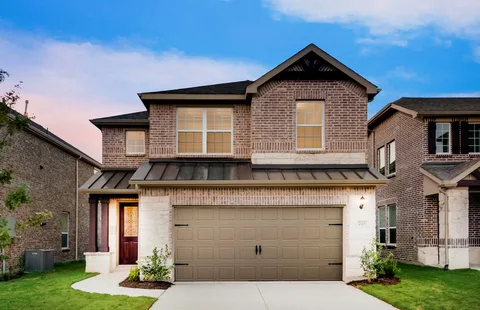
Selling a home in Garland involves more than choosing a list price. From established neighborhoods with mature trees to homes near major commuter corridors, each property has its own condition, buyer pool, and timeline. A recent Garland market snapshot reported a median sale price near $307,000 and about 34 days on market for the three months ending July 2026, but those citywide figures cannot predict the outcome for every address.
Homeowners who need a faster or simpler route may also compare a traditional listing with working through a home buying company in Garland, TX. The right choice depends on the home’s repair needs, ownership details, desired closing date, and estimated proceeds after all costs are counted.
Condition matters in every sales method. A move-in-ready home may attract buyers quickly when priced appropriately, while a house with an aging roof, foundation issues, deferred maintenance, or a tenant in place may require a different strategy.
It also helps to think beyond the day an offer arrives. Preparation, showings, inspections, title work, financing, repairs, and move-out can all affect how long the transaction takes and how much the seller ultimately keeps.
Owners comparing convenience and certainty can evaluate offers from direct cash buyers in Texas alongside financed offers, provided they review proof of funds, contract terms, closing costs, and the actual net amount they expect to receive.
What Garland Home Sellers Should Know About the Market
Local supply, buyer demand, mortgage financing, price range, and home condition all influence a sale. A well-maintained property in one part of Garland may perform differently than a similar-size home elsewhere. Before choosing a price or plan, compare recent nearby sales, active competition, and the work a buyer is likely to notice during a showing or inspection.

How Long It May Take to Sell a Garland Home
Days on market are only one part of the timeline. A traditional sale can include cleaning and repairs, photography, marketing, showings, offer negotiations, inspection, appraisal, loan approval, title work, and closing. A For Sale By Owner transaction removes the listing agent but leaves the owner responsible for pricing, marketing, scheduling, paperwork, and negotiation. A direct cash sale may reduce preparation and financing delays, though title issues and seller readiness can still affect the closing date.
Comparing Common Ways to Sell a House
Traditional Agent-Assisted Sale
This route can provide broad exposure to buyers and may be suitable for sellers with time to prepare, show, and negotiate. It can also involve commissions, buyer requests, appraisal questions, and the risk that a financed buyer does not close.
For Sale By Owner
Selling without a listing agent may reduce some service costs, but the owner takes on the work of setting a price, screening inquiries, handling access, reviewing offers, and coordinating the transaction. Complex title, repair, tenant, or probate issues can make this route harder to manage.
Direct Cash Sale
A direct sale can be useful for a property needing substantial work, a vacant house, or a seller with a firm deadline. The purchase price should not be the only comparison point. Review the buyer’s funds, inspection provisions, requested credits, closing schedule, and whether the offer is truly as-is.
When Repairs Make Sense, and When They Do Not
Start with low-cost improvements that improve presentation, such as deep cleaning, yard maintenance, decluttering, minor paint touchups, and replacing damaged hardware. Larger projects, including flooring, roof work, plumbing repairs, electrical updates, water damage remediation, or foundation work, require a more careful calculation.
For example, a Garland owner considering a $12,000 repair should estimate whether it could add more than $12,000 to the expected net proceeds or reduce a likely buyer credit by a meaningful amount. A repair can improve marketability without fully returning its cost, especially when it becomes part of a larger renovation project.
The Costs That Can Reduce Final Proceeds
The sale price is not the same as the amount a seller receives. A practical estimate is: Sale Price minus Loan Payoff minus Selling Costs minus Repairs minus Other Closing Expenses equals Estimated Net Proceeds.
Potential deductions include agent fees, title and escrow charges, buyer concessions, inspection repairs, moving costs, utilities, insurance, lawn care, liens, and unpaid taxes. Sellers should verify property-specific amounts because Garland’s published tax-rate information is only one part of the total tax picture for an individual property.
Handling Inherited, Vacant, Rented, or Distressed Property
An inherited home may require confirmation of who has the authority to sell, whether probate is involved, and whether multiple heirs must agree. Rental owners should review the lease, tenant notice obligations, security-deposit records, and property access before listing. Vacant homes should be secured, protected from leaks and pests, and kept safe for inspections. Sellers facing foreclosure, tax delinquency, divorce, or liens should seek qualified legal, tax, or title guidance early, before a deadline limits their options.
Texas-Specific Steps Before Closing
Before closing, confirm the name on the deed, gather mortgage and tax information, review the title commitment, and address liens or ownership questions. Texas residential sellers commonly provide a property-condition disclosure, although requirements and exceptions can vary. Known conditions should be disclosed accurately, and a title company or qualified attorney can help clarify questions about title, probate, survey, and closing documents.
How to Compare Offers With Greater Confidence
- Purchase price and estimated net proceeds.
- Cash verification or financing preapproval.
- Inspection, appraisal, and financing contingencies.
- Repair requests, credits, and seller-paid costs.
- Earnest money, closing date, and possession date.
- Any unusual deadlines, assignment language, or contract terms.
A slightly lower offer may be more practical when it has fewer contingencies, requires fewer repairs, and avoids months of carrying costs. The best offer is the one that balances price, certainty, timing, and risk.
Mistakes Garland Sellers Should Avoid
Avoid relying only on online estimates, overspending on upgrades without a return estimate, accepting an offer without verifying funds, or comparing only gross prices. Sellers should also avoid delaying questions about taxes, liens, tenants, co-owners, probate, disclosures, or title concerns. Addressing those items early supports a cleaner transaction.
Final Takeaway
Garland homeowners can make a stronger decision about selling by matching the sales method to the property’s actual condition and their real deadline. Whether the home is updated, inherited, rented, vacant, or in need of major work, reviewing the legal details, expected costs, and net proceeds before accepting an offer can prevent a rushed decision.
