

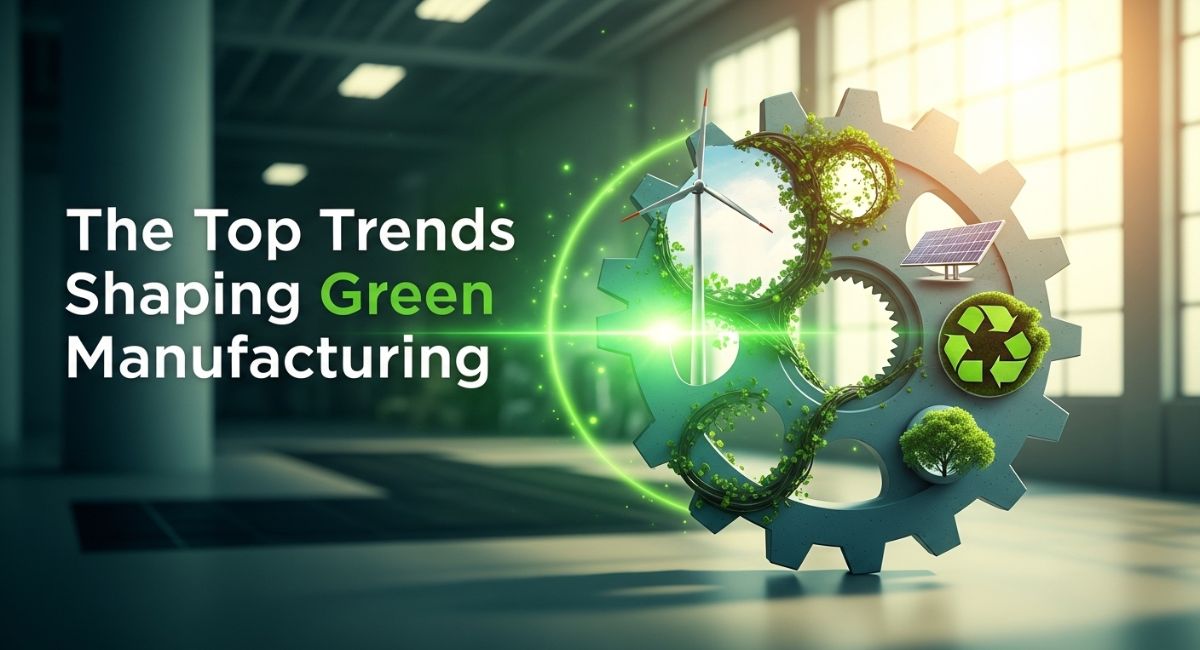
Industrial production has historically relied heavily on fossil fuels, excessive water consumption, and raw material extraction. However, a massive shift is currently underway. Industrial leaders are fundamentally redesigning their processes to prioritize environmental sustainability alongside economic viability.
This movement towards sustainable production methods is driven by tightening government regulations, shifting consumer expectations, and the undeniable impacts of climate change. Factories and processing plants must adapt to survive. By adopting innovative technologies and operational strategies, facilities can drastically lower their carbon footprints while maintaining or even improving their operational efficiency.
Understanding the specific innovations driving this transformation is essential for anyone observing the industrial sector. Several key trends are currently dominating the transition toward environmentally friendly production, setting a new standard for how facilities operate across the globe.
Renewable Energy Integration
The transition away from fossil fuels is the most visible change in the industrial sector. Facilities are increasingly powering their operations through renewable energy sources. Solar panels installed on expansive factory roofs and on-site wind turbines are becoming common sights.
Transitioning to green energy significantly reduces greenhouse gas emissions. Furthermore, as the cost of renewable energy infrastructure continues to drop, facilities are finding that generating their own power provides long-term financial stability. It protects operations from unpredictable fluctuations in traditional energy markets. Battery storage technology is also advancing, allowing plants to store excess solar or wind power for use during peak production hours or periods of low generation.
Implementing Circular Economy Principles
Traditionally, industrial production has followed a linear model: take raw materials, make a product, and dispose of the waste. Green manufacturing champions the circular economy, which focuses on keeping resources in use for as long as possible.
This approach requires facilities to design products for eventual disassembly and recycling. It also means finding innovative ways to reuse industrial byproducts that would otherwise end up in landfills. Material handling and processing play a massive role here. For instance, facilities often use specific machinery to break down discarded or agglomerated materials so they can be reintroduced into the production line. Using a lump breaker allows operators to safely and efficiently reduce large, hardened chunks of chemical or mineral waste into manageable particles, making it possible to recycle the material rather than discarding it.
Advanced Data Analytics and AI
Digital transformation goes hand in hand with environmental sustainability. Modern facilities rely on advanced data analytics and artificial intelligence to monitor and optimize their resource consumption.
Sensors placed throughout a production line gather real-time data on electricity usage, water flow, and machinery performance. Artificial intelligence algorithms analyze this massive volume of data to identify inefficiencies that human operators might miss. For example, AI can predict exactly when a machine will require maintenance, preventing sudden breakdowns that often lead to wasted materials and energy spikes. By ensuring equipment runs at peak efficiency, predictive maintenance directly supports broader sustainability goals.
Building Sustainable Supply Chains
A factory can operate with zero emissions, but if its supply chain relies on heavy polluters, its overall environmental impact remains high. Consequently, organizations are looking beyond their own walls to evaluate the sustainability of their entire supply network.
This trend involves sourcing raw materials from suppliers who adhere to strict environmental standards. It also includes redesigning logistics to reduce transportation emissions. Many organizations are shifting toward localized supply chains, reducing the distance materials must travel before reaching the assembly line. Furthermore, companies are collaborating with logistics partners to transition freight fleets from diesel to electric or hydrogen-powered vehicles.
Water Conservation and Management
Industrial processes frequently consume vast amounts of water for cooling, cleaning, and chemical processing. As global water scarcity becomes a more pressing issue, facilities are prioritizing advanced water conservation technologies.
Closed-loop water systems are gaining widespread adoption. These systems capture wastewater generated during production, purify it on-site, and cycle it back into the facility for reuse. By implementing rigorous filtration and treatment protocols, factories can operate while drawing minimal fresh water from local municipal supplies. This not only preserves a critical natural resource but also prevents contaminated industrial runoff from damaging local ecosystems.
Moving Toward a Sustainable Industrial Horizon
The transformation of the industrial sector is not a fleeting phase. The integration of renewable energy, circular economy practices, advanced analytics, and responsible resource management represents a permanent evolution in how goods are produced.
As technology continues to advance, the methods for reducing environmental impact will only become more sophisticated and accessible. The facilities that embrace these sustainable practices will operate more efficiently, face fewer regulatory hurdles, and contribute significantly to global environmental preservation. The ongoing commitment to these innovations ensures that the future of industrial production can be both highly productive and deeply respectful of the natural world.
People Also Read: Logan Paul vs Jake Paul Net Worth 2026: Who Is Richer and How They Make Money

I am Adil! an Passionate Digital Strategist with Expertise in SEO, Content Marketing, and Online Branding.