

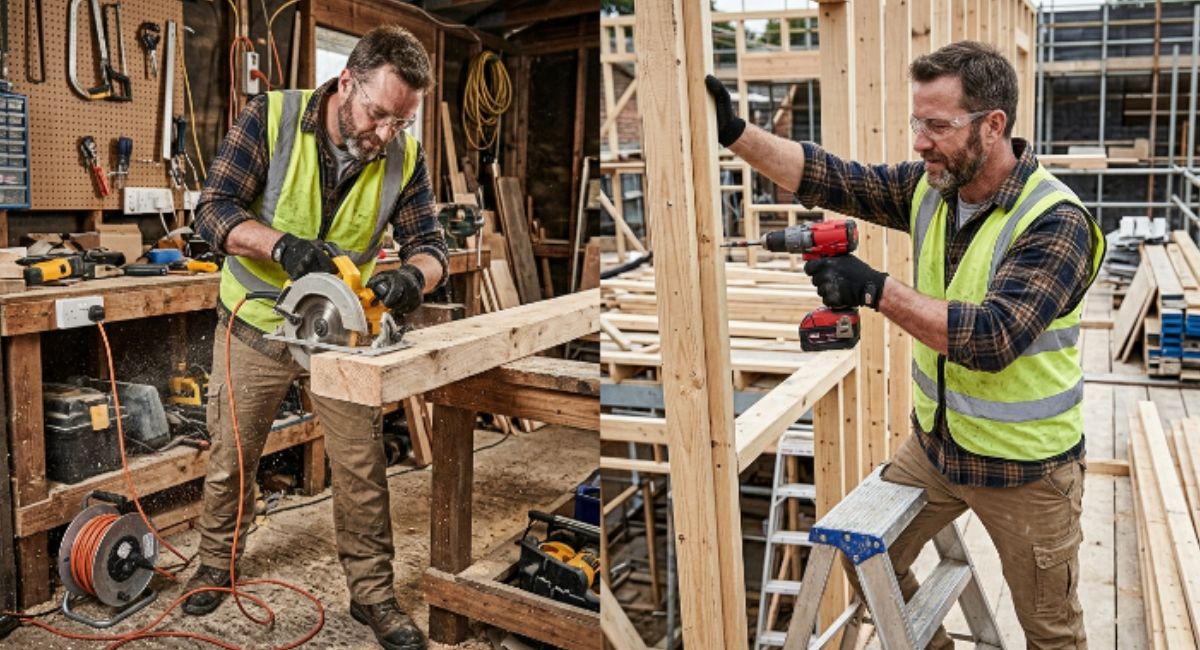
Choosing between corded and cordless power tools is one of the first decisions every homeowner, DIY enthusiast, or contractor faces. While both options have their strengths, the right choice depends on how you work, the types of projects you tackle, and how much flexibility you need. Over the past decade, battery technology has advanced dramatically, making cordless tools more capable than ever before—but that doesn’t mean corded tools have become obsolete.
After more than 15 years of testing drills, saws, grinders, impact drivers, and outdoor equipment, I’ve found that the best investment isn’t always the most powerful or expensive tool. It’s the one that fits your workflow. If you’re exploring modern power tools, understanding the practical differences between corded and cordless models will help you build a tool collection that delivers both performance and long-term value.
This guide compares both options, highlights where each excels, and explains how to choose the right tool for your projects.
Why the Corded vs. Cordless Debate Has Changed
Ten years ago, cordless tools often meant sacrificing power and runtime. Today, brushless motors and high-capacity lithium-ion batteries have narrowed that gap considerably.
Modern cordless tools now handle tasks that once required corded equipment, including:
- Heavy-duty drilling
- Circular saw cutting
- Impact fastening
- Outdoor maintenance
- Demolition work
At the same time, corded tools remain a favorite for workshops and extended-duty applications where uninterrupted power is essential.
Understanding the Biggest Differences Between Corded and Cordless Power Tools
Although both perform similar jobs, they operate very differently.
Corded Power Tools
Corded tools plug directly into an electrical outlet, providing continuous power without worrying about battery life.
They’re often preferred for:
- Long work sessions
- Stationary workshops
- Heavy cutting
- Continuous grinding
- Large renovation projects
Cordless Power Tools
Cordless tools rely on rechargeable battery systems that prioritize portability and convenience.
They’re ideal for:
- Outdoor projects
- Roofing
- Deck construction
- Remote job sites
- Quick household repairs
Power and Performance: Does Cordless Still Lag Behind?
For most homeowners, the answer is no.
Modern 40V, 60V, and even higher-voltage battery platforms deliver impressive torque and cutting performance. Brushless motors further improve efficiency by adjusting power output based on the workload.
However, corded tools still offer an advantage when operating continuously under heavy loads. Tasks like cutting thick concrete, grinding steel for hours, or ripping large sheets of hardwood all day remain better suited to corded equipment.
Mobility and Convenience Often Make the Bigger Difference
The biggest advantage of cordless tools isn’t necessarily power—it’s freedom.
Without extension cords, you can:
- Move around the property easily.
- Work on ladders more safely.
- Access tight spaces.
- Eliminate cord management.
- Reduce trip hazards.
For landscaping, fencing, shed construction, and general maintenance, cordless tools dramatically improve efficiency.
Runtime vs. Unlimited Operation
Battery runtime is one of the most important buying considerations.
Today’s lithium-ion batteries often provide enough power for several hours of typical homeowner use, depending on:
- Tool type
- Battery capacity (Ah)
- Material being cut or drilled
- Ambient temperature
- User technique
Professionals frequently solve runtime concerns by keeping multiple batteries charged.
Corded tools, meanwhile, offer unlimited operation as long as power is available, making them ideal for lengthy projects.
Comparing Maintenance Requirements
One overlooked advantage of cordless equipment is simplified maintenance.
| Feature | Corded Tools | Cordless Tools |
| Power Source | Electrical outlet | Rechargeable battery |
| Runtime | Unlimited | Battery dependent |
| Mobility | Limited by cord | Excellent |
| Maintenance | Minimal | Battery care required |
| Best For | Workshops, heavy-duty use | DIY projects, mobility, outdoor work |
Both tool types require routine cleaning, but cordless systems also benefit from proper battery storage and charging practices to maximize lifespan.
How to Decide Which Power Tools Fit Your Needs
Before buying, consider these questions:
- Will you work indoors, outdoors, or both?
- How often do you use your tools?
- Do you already own compatible batteries?
- Will you need continuous power?
- Is portability more important than maximum runtime?
Answering these questions usually makes the decision much easier.
Common Buying Mistakes to Avoid
Many buyers focus only on price or voltage instead of long-term usability.
Avoid these common mistakes:
- Buying multiple battery platforms from different manufacturers.
- Assuming higher voltage automatically means better performance.
- Overlooking battery replacement costs.
- Ignoring ergonomics and tool balance.
- Choosing corded tools for projects requiring frequent movement.
- Purchasing professional-grade equipment for occasional household tasks.
Selecting tools based on your actual workload almost always provides better value than chasing the highest specifications.
Expert Tips for Building a Smarter Tool Collection
If you’re just starting out, resist the urge to buy every tool at once.
Instead:
- Begin with a drill/driver and impact driver.
- Choose a battery platform that supports multiple tools.
- Invest in two batteries instead of one.
- Add specialty tools as projects require them.
- Store batteries indoors in moderate temperatures.
- Clean vents and moving parts after use.
Building around one battery ecosystem saves money while improving convenience.
When a Combination of Corded and Cordless Tools Makes Sense
Many experienced DIYers and professionals use both.
A practical setup might include:
Cordless Tools
- Drill
- Impact driver
- Circular saw
- Outdoor equipment
- Oscillating tool
Corded Tools
- Table saw
- Bench grinder
- Miter saw
- Large rotary hammer
- Stationary workshop equipment
This combination offers mobility where it’s needed and unlimited power where it matters most.
Trusted Resources for Tool Safety and Best Practices
For additional guidance on safe tool operation and home improvement projects, consult these respected organizations:
- Occupational Safety and Health Administration (OSHA): https://www.osha.gov
- National Institute for Occupational Safety and Health (NIOSH): https://www.cdc.gov/niosh
These organizations provide valuable recommendations for power tool safety, personal protective equipment, and workplace best practices.
Frequently Asked Questions
Are cordless power tools strong enough for serious DIY projects?
Yes. Modern cordless tools with brushless motors and high-capacity batteries can handle most residential construction, remodeling, and landscaping tasks with ease.
Do corded tools last longer than cordless tools?
Both can provide many years of service when properly maintained. Cordless tools require additional attention to battery care, while corded models depend on the condition of their power cords and motors.
Which option is better for beginners?
Cordless tools are generally easier for beginners because they’re more portable, require less setup, and eliminate the inconvenience of extension cords.
Is it worth investing in one battery platform?
Absolutely. Staying within one battery ecosystem allows you to share batteries and chargers across multiple tools, reducing both cost and storage space.
When should I choose a corded tool?
Choose a corded tool when you’ll be working for extended periods in one location, performing demanding tasks, or when uninterrupted power is essential.
Final Thoughts
The decision between corded and cordless power tools isn’t about determining which technology is superior—it’s about selecting the right tool for the way you work. Cordless models excel in mobility, convenience, and versatility, making them an excellent choice for homeowners and DIY enthusiasts. Corded tools continue to shine in demanding applications where consistent power and extended operation are priorities.
By evaluating your projects, workspace, and future tool needs, you can confidently invest in equipment that delivers reliable performance for years to come. Whether you choose corded, cordless, or a combination of both, the best power tools are the ones that help you work safely, efficiently, and with confidence.
People Also Read: 180+ Saturday Blessings and Prayers, Quotes, Images & Good Morning Wishes

I am Adil! an Passionate Digital Strategist with Expertise in SEO, Content Marketing, and Online Branding.