

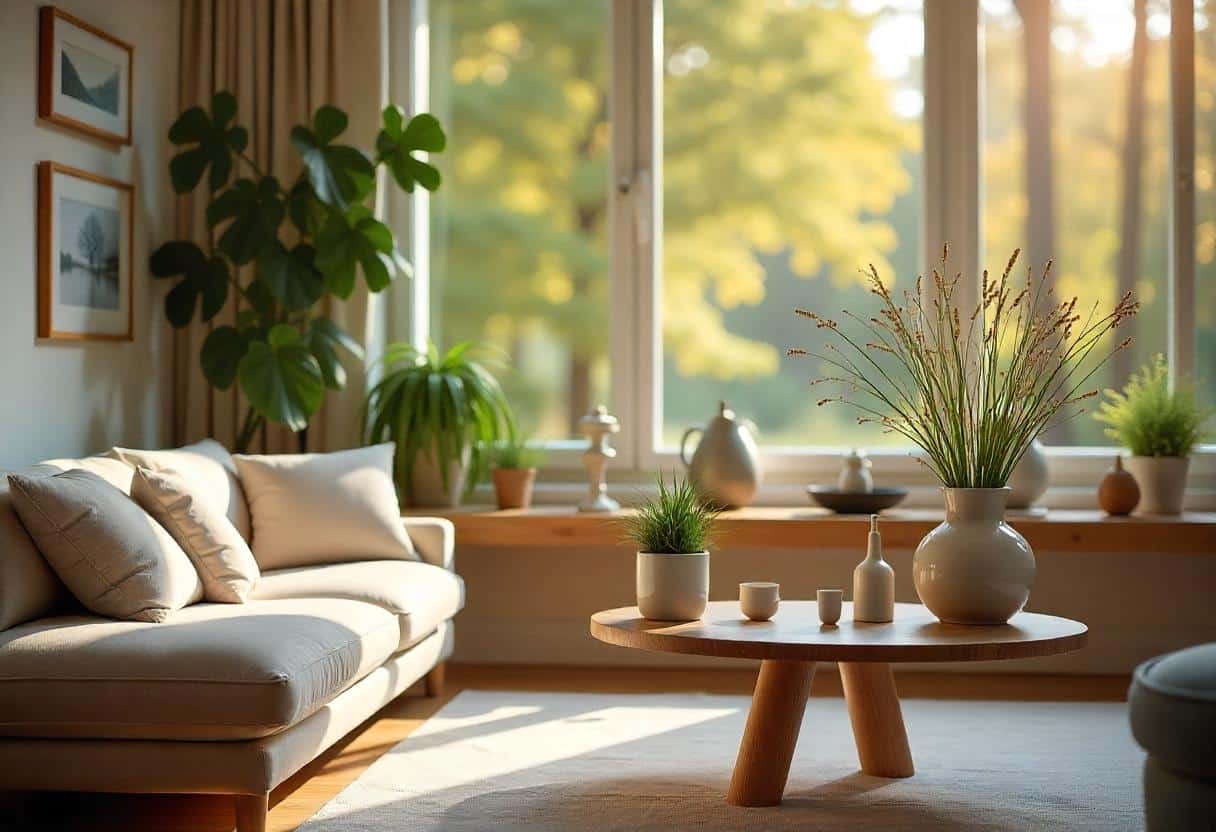
What Is a Healthy Home?
A healthy home is a house that supports your physical and mental well-being. It is clean, safe, and free from harmful air, water, and materials. It allows fresh air to flow and natural light to enter.
In simple words, a healthy home is a place where your body and mind feel good. It reduces risks like mold, pollution, and unsafe chemicals. It also supports better sleep, comfort, and daily habits.
A healthy home is not about luxury. It is about smart choices and simple improvements.
Why Creating a Healthy Home Is More Important Than Ever
Today, many people spend most of their time indoors. Work, school, and rest all happen inside the home. Because of this, indoor air and living conditions matter more than ever.
Outdoor pollution can enter the house. Cleaning products may contain strong chemicals. Poor ventilation can trap dust and odors.
People are now more aware of health and safety. Families want a home that supports better breathing, better sleep, and less stress.
Building a healthy home helps protect everyone, especially children and older adults.
Signs Your Home May Not Be Healthy
Some signs are easy to notice.
A damp or musty smell may mean mold. Mold can grow in wet areas like bathrooms or basements.
Too much dust can cause allergies. If you clean often but still see dust quickly, airflow may be poor.
Strong smells from cleaning sprays may irritate your nose or eyes.
Poor lighting can make rooms feel dark and uncomfortable.
If you notice these issues, your home may need small improvements.
The Core Elements of a Healthy Home
A healthy home has several key parts.
First, clean air. Fresh air should move through the house. Open windows when possible.
Second, safe water. Drinking water should be clean and clear. If you are unsure, testing your water is a good idea. Water quality details depend on location and are not publicly confirmed for every area.
Third, natural light. Sunlight improves mood and energy.
Fourth, safe materials. Choose paints, furniture, and floors that do not release strong chemicals.
Fifth, comfort. Proper temperature and low noise levels help you relax.
When these elements work together, your home feels healthier.
How Indoor Air Quality Affects Your Health
Indoor air can contain dust, smoke, pet hair, and other small particles. Some furniture and paints may release gases called VOCs. These gases can affect air quality.
Breathing poor air every day may cause headaches, coughing, or allergies.
You can improve air quality by opening windows daily. Use exhaust fans in kitchens and bathrooms. Clean air filters in air systems regularly.
Routine system checks help keep your home fresh and comfortable throughout the year. When cooling systems struggle during warmer months, dust and moisture can build up quickly, affecting overall well-being. Finding a dependable air conditioning repair service can ensure your equipment functions properly, which limits humidity levels and keeps the indoor air circulating efficiently for a healthier living environment.
Air purifiers may help in some homes. Their benefits depend on the model and room size. Exact results are not publicly confirmed for every case.
Simple cleaning habits also improve air.
Beyond standard dusting and sweeping, the hidden infrastructure of a house heavily dictates environmental wellness. Accumulations inside ventilation systems can silently reintroduce pollutants back into rooms, undermining other household efforts. Arranging for an Air Duct Cleaning Dallas service helps clear out these deeply embedded particles, ensuring that your heating and cooling systems circulate truly clean air.
Safe and Non-Toxic Materials for a Healthy Home
Some materials release fewer chemicals than others.
Low-VOC paints are a safer option. They reduce strong smells and indoor pollution.
Natural wood, stone, and ceramic tiles are often better than synthetic materials.
Choose cleaning products with simple ingredients. Avoid strong artificial scents.
When buying furniture, check if it meets safety standards. Not all labels are clear, and details may not be publicly known, so research before buying.
Small choices can make a big difference over time.
Healthy Home Design Tips for Every Room
Each room needs attention.
In the living room, keep windows clean and allow sunlight in. Remove clutter to improve airflow.
In the kitchen, store food properly. Clean surfaces daily. Use ventilation while cooking.
In the bedroom, choose comfortable bedding. Keep electronics away from the bed to improve sleep.
In the bathroom, control moisture. Use a fan after showers. Fix leaks quickly.
In children’s rooms, avoid sharp objects and unstable furniture. Safety is very important.
Balanced care in every room supports overall health.
The Role of Natural Light in a Healthy Home
Sunlight has many benefits. It can improve mood and help regulate sleep patterns.
Natural light also reduces the need for artificial lighting during the day.
Place mirrors to reflect light. Use light-colored curtains to allow brightness without losing privacy.
If your home has limited windows, consider brighter wall colors.
The exact health impact of sunlight varies by person. It is not publicly confirmed that sunlight alone prevents illness, but it supports general well-being.
How to Improve Water Quality at Home
Water is used for drinking, cooking, and cleaning.
If you are unsure about water quality, you can test it. Local water reports may be available, but details depend on your area.
Water filters can remove some impurities. The effectiveness depends on the filter type.
Replace old pipes if they are damaged. Plumbing safety rules vary by region.
Simple habits like cleaning water bottles and kitchen taps also help.
Maintaining these systems properly can prevent unseen leaks and protect the overall structure from water damage. For homeowners who want to ensure their pipe installations remain functional and secure, getting regular assistance from an experienced plumbing contractor in Pittsburgh can help identify potential issues early. This baseline care preserves household hygiene, extends fixture lifespan, and ensures stable water pressure.
Clean water is a key part of a healthy home.
Creating a Healthy Home on a Budget
You do not need a large budget to improve your home.
Start with cleaning and decluttering. Removing dust and unused items improves air and space.
Open windows daily for fresh air.
Switch to mild cleaning products.
Add indoor plants if you enjoy them. Some people believe plants improve air. Scientific results vary and are not publicly confirmed in every situation.
Small changes over time can build a healthier space.
Common Mistakes That Make a Home Unhealthy
Ignoring leaks can lead to mold.
Blocking vents reduces airflow.
Using too many chemical sprays can pollute indoor air.
Keeping windows closed all the time may trap stale air.
Skipping regular cleaning allows dust to build up.
These mistakes are easy to fix with simple attention and routine care.
Addressing issues early helps preserve household hygiene and extends the overall life of your systems. When sudden pipeline leaks or complex drainage blocks happen, getting same day plumber support in Vancouver from Sarkinen Plumbing can quickly limit property damage. Routine system observation keeps water pressure stable and ensures the home environment remains safe.
Healthy Home Checklist
You can follow a simple checklist.
Daily:
Open windows for fresh air.
Wipe kitchen surfaces.
Remove trash.
Weekly:
Vacuum floors.
Clean bathrooms.
Check for leaks.
Monthly:
Inspect air filters.
Look for mold signs.
Deep clean hidden corners.
Seasonally:
Check heating and cooling systems.
Wash curtains and carpets.
Review safety devices like smoke alarms.
This simple routine keeps your healthy home on track.
Is a Healthy Home Worth the Effort?
Yes, for many people it is.
A healthy home supports better breathing and better sleep. It reduces stress and improves comfort.
It may also help protect long-term health. Exact medical benefits are not publicly confirmed for every individual, but clean and safe living spaces are widely recommended.
You do not need to change everything at once. Small steps create steady progress.
A healthy home is about balance, care, and smart daily habits. When your home feels clean and safe, your life feels calmer too.
