

The Quiet Influence Of Scarcity
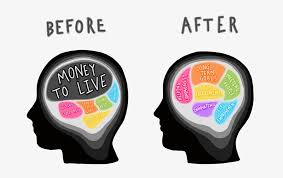
Scarcity thinking rarely announces itself loudly. It does not always appear as panic or obvious financial stress. Instead, it quietly shapes the way people interpret everyday situations. When the mind believes resources are limited, attention naturally shifts toward what feels most urgent.
This pattern affects far more than large financial decisions. It can influence how someone shops for groceries, manages their schedule, or chooses whether to invest time in long term goals. Scarcity thinking narrows focus toward immediate needs and away from broader possibilities.
The result is not simply a change in priorities. It is a change in perception. Daily choices begin to revolve around avoiding short term loss rather than building long term stability.
When Immediate Needs Take Center Stage
One of the most noticeable effects of scarcity thinking is how it prioritizes urgent problems above everything else. When resources feel limited, the brain focuses intensely on resolving the most immediate challenge.
For someone experiencing financial strain, this may involve searching for ways to reduce current obligations. People might examine budgeting options, renegotiate payments, or explore strategies such as debt relief in order to regain control of their financial situation.
These steps can be practical and necessary. However, scarcity thinking can make it difficult to think beyond the immediate solution. Once attention locks onto the most urgent issue, long term planning often fades into the background.
The mind becomes focused on survival rather than strategy.
The Tunnel Vision Effect
Researchers often describe scarcity thinking as creating a form of cognitive tunnel vision. When people perceive that resources are running out, the brain directs attention toward the shortage itself.
In this state, decision making becomes extremely focused on the present moment. While this focus can help address urgent challenges, it also reduces the ability to evaluate broader consequences.
Behavioral science research discussed in the Harvard Behavioral Insights resource on scarcity and decision making explains how scarcity narrows mental bandwidth and increases the likelihood of short term decision making.
This narrowing effect can influence choices in subtle ways. People may postpone long term financial planning, skip opportunities for education or career development, or make spending decisions that solve immediate problems but create future complications.
The focus becomes intensely local rather than strategic.
Why Scarcity Thinking Feels Rational
It is important to recognize that scarcity thinking is not simply irrational behavior. In many situations, focusing on immediate needs is entirely logical.
If someone is worried about paying rent or buying groceries, their attention naturally concentrates on solving those problems first. Survival priorities must be addressed before long term planning becomes possible.
Scarcity thinking emerges because the brain is designed to protect against threats. When resources feel limited, mental energy shifts toward securing them as quickly as possible.
The challenge arises when this response continues even after the most urgent needs are resolved. The habit of focusing only on immediate concerns can persist long after the original shortage has passed.
The Hidden Cost Of Constant Urgency
Living in a state of perceived scarcity can carry subtle costs. Constant urgency places pressure on decision making and reduces mental capacity for creative problem solving.
Psychological research from the American Psychological Association overview of stress and decision making highlights how prolonged stress and resource scarcity can impair cognitive performance and long term planning abilities.
When the brain operates under persistent pressure, it becomes harder to evaluate multiple options or anticipate future outcomes.
This does not mean individuals are making careless decisions. Instead, their mental resources are concentrated on solving immediate problems as efficiently as possible.
Over time, however, this pattern can prevent the development of strategies that might improve long term stability.
Small Decisions Reflect The Mindset
Scarcity thinking often reveals itself through small daily choices.
Someone operating within a scarcity mindset may delay preventative healthcare because immediate expenses feel more pressing. Another person might avoid investing in education or skill development because the benefits seem too distant.
Even time management can be affected. People who feel overwhelmed by limited time may focus on completing urgent tasks while postponing activities that support long term growth.
These decisions are rarely made consciously as part of a philosophy. They emerge naturally from the way the mind prioritizes attention when resources feel limited.
Over time, however, these small choices can shape larger life outcomes.
The Impact on Financial Decisions
When resources feel limited, people often make decisions based on immediate concerns rather than long-term outcomes. This can affect everything from financial planning to career development, where tools such as PI Cognitive Assessment can help individuals better understand their problem-solving abilities and decision-making patterns.
Expanding Attention Beyond Immediate Needs
Shifting away from scarcity thinking does not require ignoring real financial or time constraints. Instead, it involves gradually expanding the scope of attention beyond immediate concerns.
One helpful approach is creating small opportunities for long term planning even during challenging periods. Setting aside time for financial review, career development, or personal goals helps reintroduce broader thinking into daily decision making.
Another strategy involves stabilizing the most urgent pressures first. Once immediate financial or time related concerns become manageable, mental bandwidth begins to open up for strategic planning.
This process allows individuals to address present needs while also preparing for future opportunities.
Awareness Changes The Pattern
The most powerful step in managing scarcity thinking is simply recognizing when it is influencing decisions.
Awareness allows people to pause and evaluate whether a choice is driven by immediate pressure or by long term priorities. This pause creates space for more balanced decision making.
Instead of reacting solely to urgent demands, individuals can begin asking questions about future outcomes and opportunities.
Over time, this awareness gradually shifts attention from constant scarcity toward thoughtful planning.
Daily Decisions Shape Larger Outcomes
Scarcity thinking does not only affect major financial decisions. It shapes countless small choices throughout the day.
What appears to be a simple decision about spending, time management, or opportunity often reflects deeper patterns of attention and perception.
By understanding how scarcity influences these choices, individuals gain greater control over the direction of their decisions. Immediate needs can still be addressed, but they no longer dominate every moment of planning.
The result is a more balanced approach to decision making. Urgent problems receive attention when necessary, but long term goals remain part of the picture.
And over time, those balanced decisions create a path toward greater stability and opportunity.

Meet M Umair, Guest Post Expert and futuresbytes.co.uk/ author weaving words for tech enthusiasts. Elevate your knowledge with insightful articles. self author on 1000+ sites.
Contact: Umairzulfiqarali5@gmail.com
whatsapp: +923451718033