

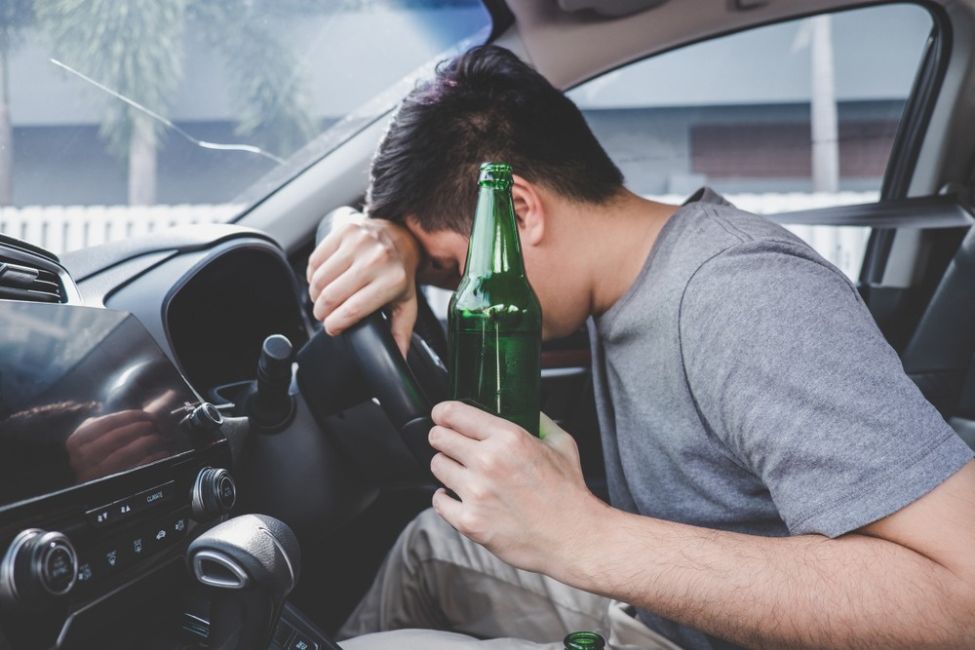
One reckless decision can change the lives of many people within seconds. A drunk driving accident often leaves victims dealing with painful injuries, growing medical bills, and countless questions about what comes next. While recovery becomes the main priority, many people also begin looking for a drunk driving accident lawyer to understand the situation and learn about the options available based on the facts of the accident.
Responsibility matters after any serious crash, especially one involving alcohol. Determining fault is an important part of understanding what happened and why the accident occurred. Knowing how fault is evaluated, what information may support your position, and the practical steps you can take afterward helps you approach the process with greater confidence and a clearer understanding of the road ahead.
How Is Fault Determined in a Drunk Driving Accident?
Fault is determined by carefully reviewing the facts surrounding the accident rather than relying on assumptions alone. Police officers, insurance companies, and other professionals may examine reports, physical evidence, witness statements, and medical records to build a complete picture of what happened. Each piece of information helps explain how the collision occurred and who may have contributed to it.
Police Reports and Accident Investigations
A police report often becomes one of the first records reviewed after a crash. Officers document the accident scene, speak with drivers and witnesses, observe road conditions, and record any signs that alcohol may have affected a driver’s ability to operate a vehicle safely. Their observations help create an official record of the incident.
Evidence From the Accident Scene
Physical evidence can provide valuable information about how the collision occurred. Damage to the vehicles, skid marks, traffic signals, road conditions, surveillance footage, and photographs taken at the scene all help investigators better understand the sequence of events. Even details that seem small at first may become important during a thorough review.
Witness Statements
People who saw the accident may provide information that supports the overall investigation. Independent witnesses can sometimes describe a driver’s behavior before the crash, unusual driving patterns, or other important details that may not appear in photographs alone. Multiple statements often help create a more complete understanding of the incident.
Medical and Other Supporting Records
Medical records document the injuries suffered after the accident and create a timeline of treatment. Other documents, such as emergency response records and repair estimates, may also contribute to a better understanding of the overall situation. Reviewing all available information together helps create a clearer picture rather than relying on one piece of evidence alone.
Factors That May Show You Were Not Responsible
Every accident is different, and responsibility depends on the facts gathered during the investigation. Even in crashes involving alcohol, the available evidence must be reviewed carefully to understand how the collision happened. Several types of information may help show that another driver’s actions, rather than yours, led to the accident.
Traffic Law Violations
Traffic laws are designed to keep everyone on the road safe. If the other driver failed to obey traffic signals, crossed the center line, drove at an unsafe speed, or ignored other road rules, those details may become an important part of understanding how the crash occurred. Traffic violations often provide valuable context during the overall review of the accident.
Evidence of Impaired Driving
Evidence that a driver was impaired may come from several different sources. Police observations, field sobriety tests, chemical testing, witness statements, and other investigative findings can all become part of the official record. Looking at all of this information together helps build a more complete understanding of the driver’s condition at the time of the crash.
Independent Witnesses
People who witnessed the accident may provide information that supports what happened before, during, and after the collision. They may describe unsafe driving behavior, sudden lane changes, failure to stop, or other actions that help explain how the crash unfolded. Independent accounts are often valuable because they come from people who were not directly involved in the accident.
Consistent Documentation
Keeping accurate records after the accident can also support a clear understanding of the events. Medical records, photographs, repair estimates, and written notes about the incident all help create a timeline that matches the available evidence. Consistent documentation reduces confusion and allows the facts to remain organized throughout the process.
What Should You Do After a Drunk Driving Accident?
Taking practical steps after the accident helps protect both your health and the information related to the crash. While every situation is unique, staying organized from the beginning often makes the process much easier to manage.
Focus on These Important Steps
- Seek medical care as soon as possible, even if some injuries seem minor.
- Report the accident to the appropriate authorities and request a copy of the police report if available.
- Take photographs of the accident scene, vehicle damage, and visible injuries if it is safe to do so.
- Keep copies of medical records, receipts, insurance letters, and repair estimates.
- Write down important details while they are still fresh in your memory.
- Stay consistent with recommended medical treatment and follow-up appointments.
Accountability Begins With the Facts
A drunk driving accident can leave lasting physical, financial, and practical challenges, but understanding how responsibility is determined helps replace uncertainty with clear information. Police reports, witness statements, medical records, and other evidence all contribute to building a complete picture of what happened. Taking prompt action after the accident and keeping every important document organized allows the facts to remain clear throughout the process and supports a better understanding of the circumstances surrounding the crash.
Every accident deserves a careful review because no two situations are exactly alike. Staying informed, preserving evidence, and following recommended medical care help create a stronger foundation for future decisions. Speaking with a drunk driving accident lawyer after gathering the available information allows every discussion to focus on the facts of the accident rather than assumptions or uncertainty.
People Also Read: 180+ Happy Sunday Blessings, Quotes, Prayers, Images & Good Morning Wishes

I am Adil! an Passionate Digital Strategist with Expertise in SEO, Content Marketing, and Online Branding.