

Many children develop crowded teeth as they grow. Sometimes the mouth does not have enough space for all the teeth to fit properly. When this happens, teeth can overlap, twist, or push against each other. Crowded teeth may look harmless at first, but they can lead to brushing problems, speech issues, bite concerns, and lower confidence in some children.
Parents often wonder if clear aligners like Invisalign can help fix these problems without using metal braces. Over the last several years, Invisalign has become more common for kids and teenagers because it offers a more discreet way to straighten teeth.
The good news is that Invisalign can help many children with crowded teeth, depending on how serious the crowding is. Understanding how the treatment works can help families decide if it is the right option for their child.
What Are Crowded Teeth?
Crowded teeth happen when there is not enough room in the jaw for teeth to line up correctly. Instead of sitting in a straight row, teeth may overlap or rotate into awkward positions.
This problem can affect baby teeth, adult teeth, or both. Crowding may appear early in childhood or become more noticeable when permanent teeth start coming in.
Signs of Crowded Teeth in Kids
Parents may notice several signs that suggest crowding is developing. Teeth may appear crooked or stacked on top of each other. Some children may have trouble flossing because teeth are too close together. Others may bite the inside of their cheeks due to poor tooth alignment.
In some cases, crowded teeth can also affect speech or chewing. Food may get trapped more easily between teeth, increasing the chance of cavities and gum irritation.
Why Crowded Teeth Should Be Treated Early
Early treatment can help stop bigger orthodontic problems later. When crowding is ignored, teeth may continue shifting into harder-to-correct positions. This can sometimes lead to jaw discomfort or uneven tooth wear over time.
Treating crowding while a child is still growing often gives orthodontists more flexibility. The jaw and teeth are still developing, which may allow treatment to move faster and more smoothly.
What Is Invisalign?
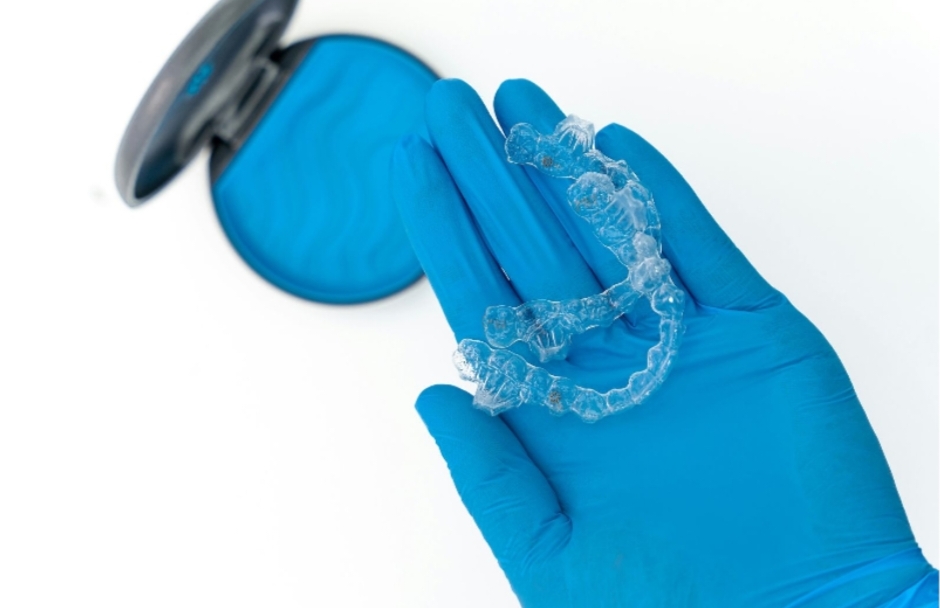
Invisalign is a system of clear plastic aligners that slowly move teeth into better positions. Instead of using wires and brackets, the treatment uses a series of removable trays.
Each aligner is slightly different from the previous one. Over time, the trays guide the teeth into alignment using gentle pressure.
How Invisalign Works
The process usually begins with digital scans or impressions of the child’s teeth. These scans help create a custom treatment plan. A computer program maps out how the teeth are expected to move during treatment.
The child receives several sets of aligners. Each set is worn for about one to two weeks before switching to the next tray. The aligners should stay in the mouth for about 20 to 22 hours each day.
Orthodontists monitor progress during regular checkups and make adjustments if needed.
Why Kids and Teens Like Clear Aligners
Many children and teenagers prefer Invisalign because the aligners are clear and less noticeable than braces. Some kids feel more comfortable smiling in school photos or social settings during treatment.
The trays are also removable, which makes eating easier. Kids do not have to avoid foods like popcorn or chewy snacks the way they often do with braces.
Families searching for invisalign methuen treatment often ask about comfort and appearance first because children may feel nervous about traditional braces.
Can Invisalign Fix Crowded Teeth?
In many cases, Invisalign can successfully treat crowded teeth in children and teens. The success depends on how severe the crowding is and whether the child follows treatment instructions carefully.
Mild Crowding
Mild crowding is usually one of the easiest problems for Invisalign to treat. If teeth only overlap slightly, aligners can often shift them into better positions within a reasonable amount of time.
Children with mild crowding may begin seeing changes after just a few months of regular aligner wear.
Moderate Crowding
Moderate crowding can also respond well to Invisalign treatment. In these cases, orthodontists may use attachments, which are small tooth-colored bumps placed on teeth to help the aligners grip more effectively.
Some children may also need space-making techniques, such as gentle expansion or slight reshaping between teeth.
Treatment time for moderate crowding is often longer than mild cases, but many children still achieve strong results.
Severe Crowding
Severe crowding can be more difficult to treat with aligners alone. Some children may need traditional braces or a combination of treatments. If the jaw is extremely small or teeth are heavily rotated, braces may offer better control.
An orthodontist can evaluate the child’s mouth and explain which option is likely to work best.
Benefits of Invisalign for Kids
Invisalign offers several advantages that make treatment easier for many children and families.
Better Comfort
Traditional braces can sometimes irritate the cheeks and lips because of metal brackets and wires. Invisalign trays are made from smooth plastic, which often feels gentler inside the mouth.
Kids may still feel pressure when switching to a new aligner, but this usually fades after a few days.
Easier Cleaning
Oral hygiene is very important during orthodontic treatment. Braces can trap food around brackets and wires, making brushing harder.
Since Invisalign aligners are removable, children can brush and floss normally after meals. This may help lower the chance of plaque buildup and cavities during treatment.
Improved Confidence
Some children feel self-conscious about wearing braces. Invisalign aligners are clear, making them harder to notice during conversations or photos.
Feeling more confident during treatment can help children stay positive about their progress.
When Invisalign May Not Be the Right Choice
Although Invisalign works well for many kids, it is not the perfect solution for everyone.
Cases That Need Braces
Children with major bite problems, severe tooth rotations, or significant jaw concerns may benefit more from braces. Braces can sometimes create stronger and more precise tooth movement.
Orthodontists consider several factors before recommending treatment, including jaw growth, tooth position, and age.
Importance of Wearing Aligners Properly
One of the biggest challenges with Invisalign is responsibility. Since aligners can be removed, some children forget to wear them long enough each day.
Skipping hours of wear can slow treatment and reduce results. Younger children may need reminders from parents to stay on track.
What Is the Treatment Process Like?
Many parents feel more comfortable once they understand what happens during Invisalign treatment.
Consultation and Digital Scans
The first appointment usually includes an exam, photos, and digital scans. These scans help the orthodontist create a treatment plan based on the child’s needs.
Parents can often see a digital preview showing how the teeth may look after treatment.
Wearing the Aligners
Children wear the aligners most of the day and remove them only for eating, drinking anything besides water, brushing, and flossing.
Some kids adjust quickly, while others need a little time to get used to speaking with the trays in place.
It is common for aligners to feel tight at first because they are actively moving teeth.
Progress Check Visits
Regular visits help the orthodontist monitor progress. These appointments are usually shorter than braces visits because there are no wires to tighten.
The orthodontist checks how the teeth are moving and provides the next sets of aligners.
Many families looking into invisalign methuen services appreciate that appointments can sometimes feel simpler and less stressful for children.
Tips for Parents During Treatment
Parents play a big role in helping children succeed with Invisalign.
Helping Kids Stay Consistent
Consistency matters because aligners only work when worn correctly. Parents can encourage children by setting reminders or creating daily routines around aligner care.
Some families use phone alarms to remind kids to put aligners back in after meals.
Positive encouragement can also help children stay motivated throughout treatment.
Protecting Aligners From Damage
Aligners should always be stored in their protective case when not being worn. Many trays are accidentally thrown away in school lunchrooms after being wrapped in napkins.
Children should also avoid chewing on aligners because this can crack or warp the plastic.
Cleaning the trays daily with lukewarm water and gentle cleaning products can help keep them fresh and clear.
How Long Does Invisalign Treatment Take?
Treatment time depends on the amount of crowding and how well the child follows instructions.
Mild crowding may improve within several months, while moderate cases often take one to two years. Severe cases may require longer treatment or additional orthodontic care.
Children who wear aligners consistently usually finish treatment faster than those who remove them often.
Orthodontists may also recommend retainers after treatment ends to help keep teeth in their new positions.
What Do Studies and Orthodontists Say?
Research shows that clear aligners can successfully treat many orthodontic issues, including crowding. Orthodontists continue using Invisalign for more children and teens because technology has improved greatly over the years.
Digital planning tools now allow orthodontists to predict tooth movement more accurately than before. This has expanded the types of crowding cases that aligners can treat.
Patient satisfaction is also generally high because aligners offer convenience, appearance benefits, and easier cleaning compared to braces.
Still, orthodontists stress that treatment success depends heavily on patient cooperation.
Conclusion
Crowded teeth can affect a child’s smile, comfort, and oral health. Invisalign offers a modern way to correct many cases of crowding without using traditional metal braces. For children with mild or moderate crowding, clear aligners can improve tooth alignment while allowing easier brushing, eating, and smiling.
However, Invisalign is not the best choice for every child. Severe crowding or complex bite problems may still require braces or other orthodontic treatment. The best way to know what your child needs is through a professional orthodontic evaluation.
Early treatment can often make the process smoother and help children build healthier smiles as they grow.
