

Key Takeaways
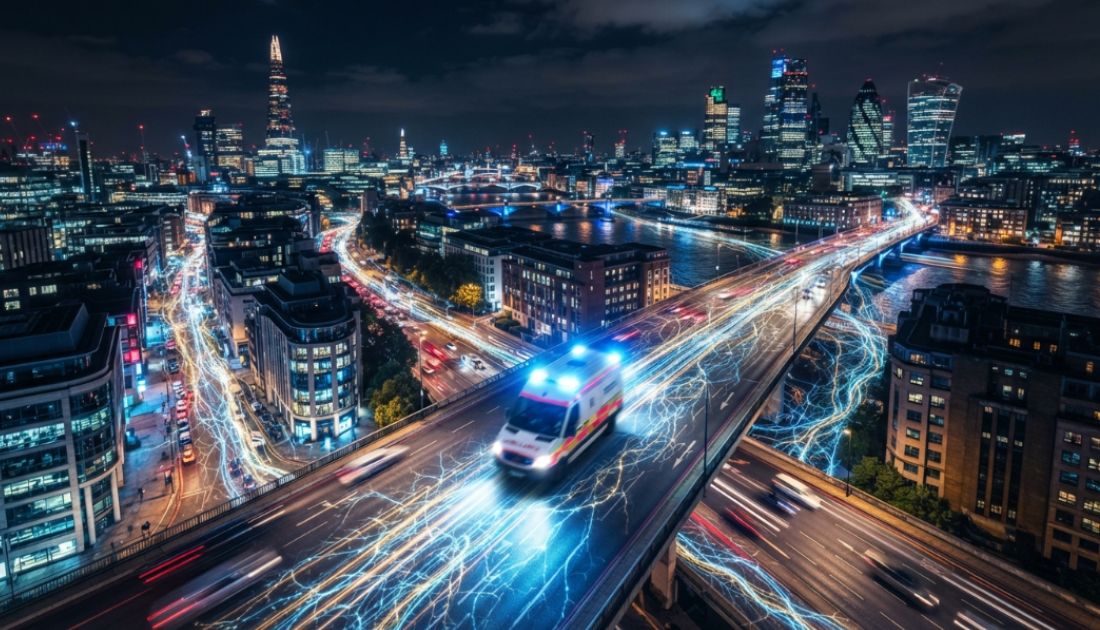
- Rapid communication is vital to public safety and emergency response effectiveness.
- Emerging technologies like AI and 5G are revolutionizing public safety communications and dramatically improving outcomes.
- The integration of these systems leads to shorter response times, advanced situational awareness, and lives saved.
The Importance of Rapid Communication in Public Safety
During emergencies, response speed can determine life or death outcomes. Rapid and reliable communication channels ensure that first responders receive critical updates and information right as situations unfold, helping them assess risks and respond efficiently. Any delay from incorrect or incomplete data increases the threat to lives and property, underscoring the essential role of robust communication protocols in public safety systems. New solutions, including https://www.quickresponse.net/monitoring-solutions/asap-to-psap/, are bridging gaps and removing points of failure between alert initiation and first responder action.
Ensuring that every message, alert, or request reaches the right team quickly can be the difference between a controlled response and a chaotic aftermath. Whether it is coordinating evacuations, sharing hazardous material information, or dispatching paramedics, every second counts. As urban areas contend with larger populations, more complex infrastructures, and rising threats, the need for instant, accurate communication continues to grow.
Technological Advancements Transforming Public Safety Communications
Recent developments in emergency response technology have redefined how agencies and first responders communicate. Artificial intelligence (AI) has emerged as a powerful tool for optimizing 911 call processing, triaging emergencies, and enhancing resource deployment. In metro Atlanta, 911 dispatch centers are leveraging AI to quickly geolocate callers, interpret multiple languages, and transmit vital details before responders even arrive. This approach not only reduces emergency response times but also improves the accuracy of the data relayed on every call. FOX 5 Atlanta covers the ways AI is transforming 911 operations and delivering help faster than ever.
Public safety networks are also realizing the power of data-driven decision-making. AI tools can scan previous incident patterns, identify repeat hazards, and recommend ideal routes or response tactics. These layers of intelligence enable agencies to adapt dynamically as emergencies unfold in real time, erasing guesswork and improving every response stage.
The Role of 5G in Enhancing Public Safety Communications
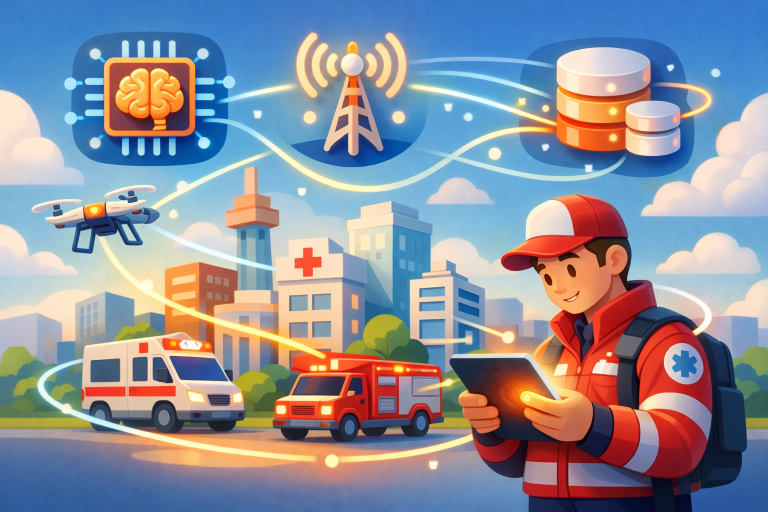
5G technology offers public safety agencies unprecedented speed and bandwidth. These capabilities are critical for supporting tools such as live video feeds from drones, streaming on-scene bodycam footage, or sharing large files like maps or blueprints. The low latency and high reliability of 5G infrastructure allow dispatchers and on-scene teams to share up-to-the-minute updates without delays or data bottlenecks. IEEE Public Safety Technology explores how 5G deployment optimizes situational awareness and enables more coordinated emergency responses.
The real-time capabilities of 5G extend to mass casualty events and large public gatherings. First responders can coordinate evacuation shelters, update public safety warnings, and remotely monitor sensor alerts during evolving incidents. The result is a cohesive network where information is always on hand and never out of reach.
Case Study: AI-Enhanced 911 System in Baltimore
Baltimore provides a compelling look at the future through its launch of an AI-powered 911 call and dispatch system during the city’s Artscape festival. This system integrates AI technologies with geolocation tools and dynamic call routing, ensuring that assistance reaches those in need with maximum efficiency. Dispatchers can see exactly where help is required and direct resources based on rapidly updated conditions at festival sites. The results at Artscape demonstrate how advanced technology can scale during high-demand events and keep residents and visitors safer.
Implementing AI in Emergency Response Systems
Artificial intelligence not only automates many of the most time-consuming dispatch tasks but also helps analyze large datasets that would overwhelm human operators. The system can access caller records, identify possible pre-existing medical needs, forecast nearby hazards based on real-time trends, and triage incoming calls based on urgency. These capabilities mean fewer errors, smarter deployment of emergency resources, and less risk for dispatchers and field teams.
Challenges and Considerations in Adopting New Technologies
Adopting advanced technologies in public safety does come with significant challenges. Ensuring interoperability among different legacy and modern systems tops the list. Cybersecurity threats to critical communication infrastructure are ever-present, so robust protection must be in place. Agencies planning to roll out these tools must also invest in comprehensive training to guarantee that all users, from call-takers to field commanders, can utilize the technology to its fullest potential and avoid costly mistakes.
Future Outlook: Integrating AI and 5G for Enhanced Public Safety
The integration of AI and 5G represents the next frontier in emergency response. These technologies together promise an environment where dispatchers, first responders, and public safety officials have seamless access to information drawn from citywide sensor grids, automated caller interpretation, and instant video or image sharing. The ability to coordinate across agencies in real time will make responses faster, more effective, and increasingly proactive as trends and threats develop.
Conclusion
Rapid, accurate communication stands as the foundation of any robust public safety system. By embracing advancements like AI-driven analytics and 5G-powered connectivity, communities can significantly improve response times, reduce human error, and protect more lives in crises. Proactive integration of these technologies will allow agencies to meet the evolving demands of modern emergencies, making cities safer and better prepared for whatever tomorrow brings.
People Also Read: Indoor Security Camera Alerts for Pets Kids and Quiet Hours at Home
